
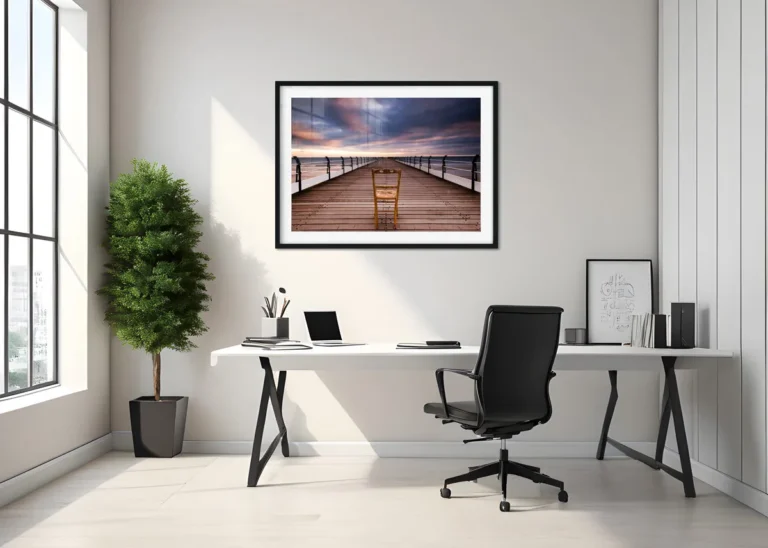

Office Wall Art can shape how a workspace feels: calm, focused, or energetic. If you also want sustainability, the goal is to reduce waste and replacements while keeping quality high. That means choosing better materials, asking clear sourcing questions, and planning for a long lifecycle—so your Canvas Print stays on the wall for years, not months.
This article explains what to look for in canvas, ink, frames, and packaging; which production details matter; how to care for Wall Decor in busy work areas; and what to do when you are ready to rotate or retire a piece.
What “sustainable” means in office art
For office Artwork, sustainability is a set of practical choices, not a label. Use a simple three-part lens:
- Materials: canvas or paper, ink, frame wood, and hardware.
- Production and sourcing: how the item is made and whether the seller can explain key inputs.
- Use phase and end-of-life: durability, easy care, reuse options, and responsible disposal.
Be careful with broad claims like “eco” without details. Ask for specifics: fiber content, ink type, frame material, and how the product is packed. Clear answers help you compare products and avoid buying pieces that need early replacement.
Materials that can lower impact
Canvas and textile choices
Canvas is commonly made from natural fibers, synthetic fibers, or blends. Natural canvas often feels substantial and can hold detail well when printed correctly. If recycled or certified fibers are offered, ask what that means in plain terms (fiber content and documentation). For office use, prioritize a consistent surface and good tension so the print does not loosen over time.
Ink systems and print stability
Ink affects indoor comfort and how long an Art Picture keeps its color. You may see notes like “low-odor” or “water-based,” but the key outcome is stability in indoor light. A stable print reduces waste because you do not need a quick replacement when colors shift or fade.
Wood frames and stretcher bars
Canvas Art is often stretched on wooden bars. Responsible wood signals (such as certification) can be a plus, but build quality matters just as much. A solid frame helps prevent sagging, corner warping, and repeated re-hanging—especially in offices with frequent temperature changes.
Packaging and damage prevention
Packaging is part of sustainability. Strong corner protection and rigid outer packaging reduce damage risk. That matters because damaged Wall Hangings can lead to returns, reprints, and extra shipping—turning a single purchase into avoidable waste.
Sourcing and production: what to ask and what to check
Made-to-order vs. mass stock
Made-to-order production can reduce surplus inventory and helps align quality checks with each order. If you are planning a refresh for a meeting room or reception wall, made-to-order can support fewer unsold prints and more consistent output.
For work-focused themes and layouts, explore options in the Office Wall Art Collection and note which styles suit your workspace needs.
Shipping footprint (without geographic names)
Shipping impact grows with distance and split parcels. When possible, order pieces together so shipping can be consolidated. Also consider sizes that ship safely without excessive packaging. For Large Wall Art, protective packing is not optional—it is the difference between one shipment and a second replacement cycle.
A transparency checklist you can use
Use this short list to compare sellers and products:
- What is the canvas fiber content?
- What ink system is used for the print?
- What is the frame material, and is wood sourcing explained?
- How is the item packed to prevent damage?
- Is the product made to order or held as stocked inventory?
- What care steps are recommended for long-term use?
Lifecycle thinking: keep office wall art in use longer
Placement choices that protect prints
Most of the footprint of Wall Decor can be reduced by keeping it in service longer. Office conditions can be rough: frequent cleaning, overhead lighting, and busy corridors. Small placement decisions help your print last.
- Avoid heat and constant temperature swings (near vents and heaters).
- Limit strong direct light to reduce fading risk.
- Place art away from high-contact corners where bags and coats brush past.
- Choose secure hanging hardware so the piece stays stable.
Room placement matters, too. A home office wall is often stable. A conference room can suit calmer Paintings or a clean Art Print that supports focus. A hallway needs surfaces that handle more movement. A break room may need extra distance from sinks and steam.
Care basics for a busy workspace
Plan a routine that staff can follow. Dust with a soft, dry cloth. Avoid harsh sprays that can leave residue. Check hanging hardware a few times per year, especially in higher-traffic areas. These small steps protect your Canvas Print and reduce early replacements.
Refresh and reuse before you replace
If you want a new look, you do not always need new items. Rotate prints between rooms, pair two pieces into a small set, or move a strong statement print from a corridor into a meeting room. If a print loosens slightly, re-tension or adjust hardware before replacing it.
For presentation-friendly themes that work well in meeting spaces, browse Business Concept Canvas Prints.
How a canvas print is built for long-term use
When you choose Wall Art for an office, durability is part of sustainability. A well-built Canvas Print is less likely to sag, scratch, or need early replacement. Many buyers start by checking the materials and the build method:
- Canvas surface: a steady weave helps the image look clean and keeps detail sharp.
- Print quality: a consistent print reduces blotches and early fading.
- Frame support: solid wooden bars help keep the canvas under tension.
- Hanging readiness: secure hardware reduces rework and wall damage.
If you want a simpler look that stays consistent across office changes, minimal compositions can be a safe long-term choice for Room Decor.
From print to shipment: steps that help reduce waste
Quality control is a sustainability tool. When a Canvas Print is checked, built correctly, and packed well, it is less likely to arrive damaged or require replacement. A typical workflow looks like this:
- Prepare the image file and confirm sizing for the chosen Wall Art format.
- Print on canvas using an indoor-ready ink system and allow the surface to dry fully.
- Inspect the print for color consistency and clean edges.
- Stretch the canvas over wooden bars so tension stays even.
- Add hanging hardware so the piece is ready to display.
- Protect corners and surfaces with sturdy packing materials.
- Final check, then ship as one consolidated parcel when possible.
End-of-life: a responsible plan
The best end-of-life outcome is reuse. If a print no longer fits the office look, consider gifting it to a team member, moving it to a home workspace, or donating it where acceptable. If reuse is not possible, separate parts where you can: remove metal hardware from wood, and keep components grouped for disposal under local rules.
One more approach is rotation instead of disposal: store one or two pieces and swap them in seasonally. This keeps Wall Hangings in use and slows the replacement cycle.
A quick buying checklist for sustainable office wall art
Use this as a fast scan when choosing Wall Art, Canvas Prints, or Art Prints for an office refresh:
- Canvas: clear fiber content and consistent surface.
- Ink: suited for indoor display and stable in normal light.
- Frame: solid build; wood sourcing explained when possible.
- Packaging: designed to prevent damage in transit.
- Care: simple routine you can maintain at work.
- Longevity: choose styles you will keep through layout changes.
- End-of-life: reuse first, then separate hardware and materials.
Style choices that age well in offices
Some styles remain useful even as furniture and color palettes change. Minimal compositions and black-and-white pieces often work across many office setups because they support focus and avoid visual overload.
If your workspace benefits from clean lines and quiet themes, explore Minimalist Art Prints. If you prefer stronger contrast that still reads as professional, look at Abstract Black and White Canvas Art.
FAQ
What should I check first when buying sustainable Office Wall Art?
Start with canvas fiber content, ink type, frame material, and packaging details. If these are clear, you can make a better long-term decision.
Does made-to-order reduce waste?
Often, yes. Producing after purchase can reduce surplus inventory and can limit unsold prints.
How do I help a Canvas Print last longer at work?
Limit strong direct light, avoid heat sources, dust gently, and keep art away from high-contact corners and tight corridors.
Is bigger always worse for sustainability?
Not necessarily. A Large Art Print that stays in place for years can be a better choice than small pieces that are replaced often.
What is the best end-of-life option?
Reuse first: rotate to another room, gift, or donate. If reuse is not possible, remove hardware and dispose of mixed materials responsibly under local rules.
Conclusion
Sustainable office art is about longer use, fewer replacements, and clear choices. When you select solid materials, ask practical sourcing questions, and plan for care and reuse, your Wall Decor can look strong while reducing waste over time.